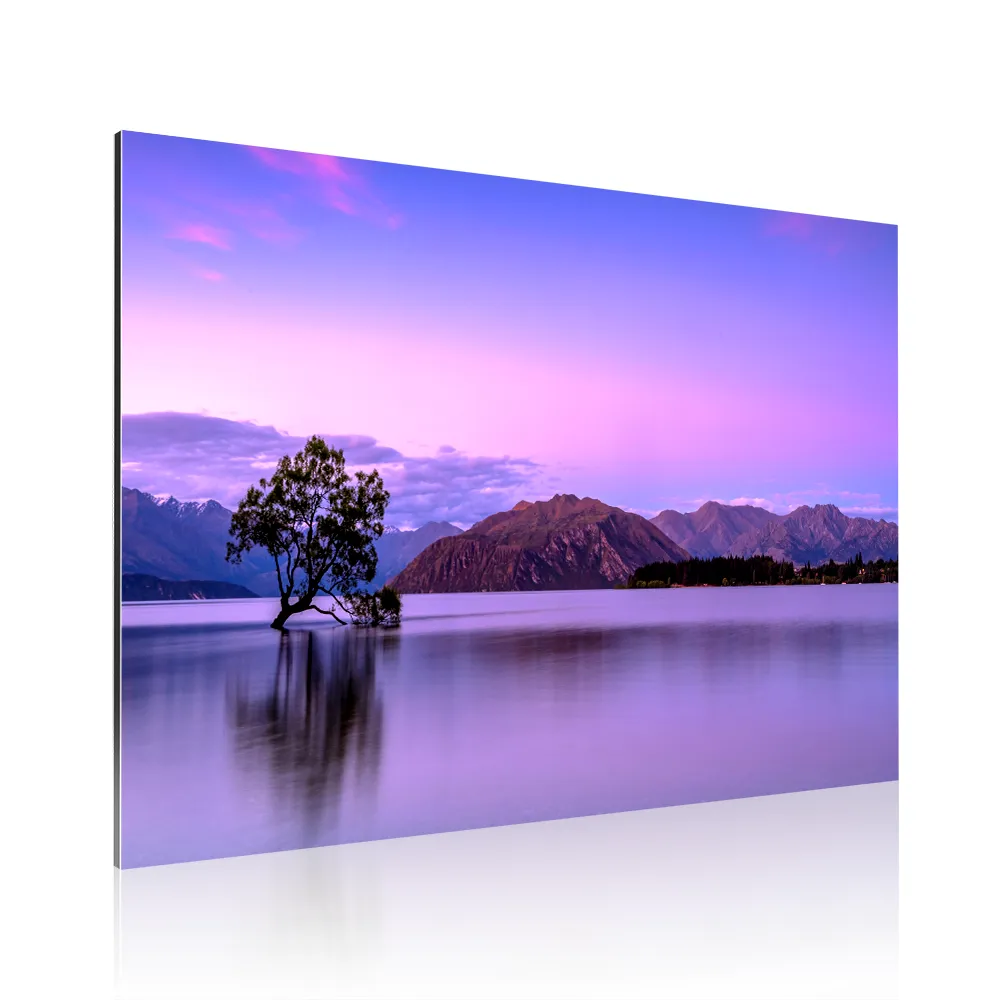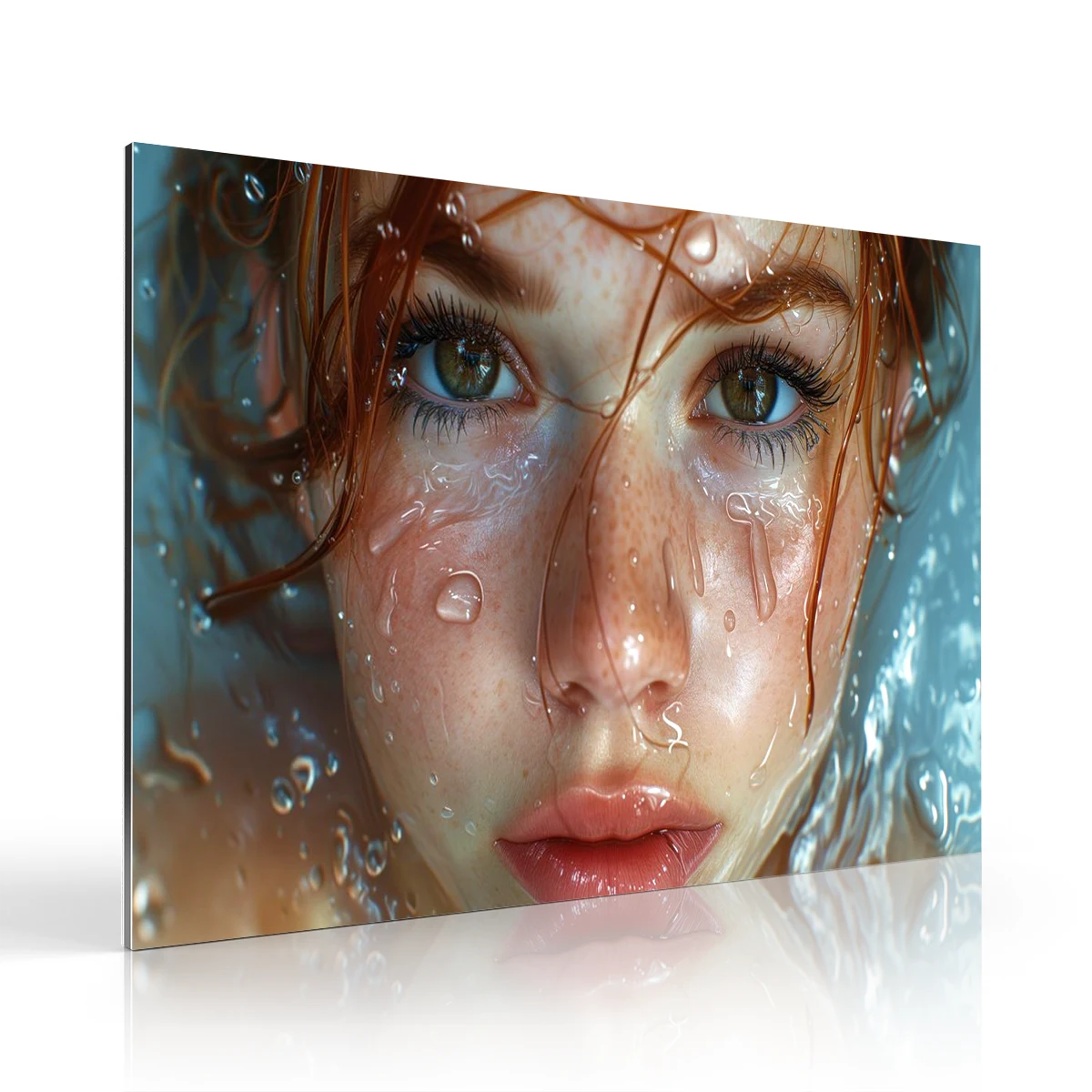

Giclée printing has become a standard in the world of fine art reproduction. The term Giclée describes high-quality inkjet prints produced on archival paper or canvas, designed to capture the detail and color of original artworks. A crucial factor in Giclée printing is the type of ink used. Artists and photographers must choose between pigment-based inks and dye-based inks to achieve the desired look and longevity for their prints. Understanding how these inks behave helps create Giclée prints that meet professional standards and satisfy collectors and enthusiasts alike.
What Are Pigment Inks
Pigment inks consist of solid color particles suspended in a liquid carrier. These tiny particles sit on top of the paper or canvas rather than being absorbed into the fibers. This structure gives pigment inks excellent lightfastness, meaning they resist fading when exposed to light over time. Because the pigments are stable, prints made with pigment inks can retain their color accuracy and sharpness for decades under proper conditions. Pigment inks are particularly well-suited for archival prints, limited editions, and works intended for exhibition or sale. They produce deep blacks, vibrant colors, and subtle tonal variations that preserve the integrity of the original artwork.
What Are Dye Inks
Dye inks are composed of colorants that dissolve completely in a liquid solution. When applied to paper or canvas, the dye penetrates the surface and binds with the fibers. This allows for intense and vivid colors that can reproduce photographs and digital artwork with remarkable detail and smooth gradients. Dye inks excel at producing bright, saturated hues and fine gradations in tonal areas. However, because the dyes are more chemically reactive than pigments, prints made with dye inks are more susceptible to fading, especially when exposed to sunlight or high humidity. Dye inks are often preferred for projects where immediate visual impact is desired and long-term durability is not the primary concern.
Color Range and Gamut
The type of ink also affects the color range or gamut of the print. Pigment inks typically have a slightly narrower gamut than dye inks, which means they may not reproduce the most extreme vibrant colors as intensely. Despite this, high-quality pigment-based printers can use additional color cartridges, such as light cyan, light magenta, or even orange and green, to extend the gamut and achieve more subtle gradations.
Dye inks, on the other hand, can produce extraordinarily vivid colors naturally, which makes them ideal for art print that relies heavily on bright tones and dynamic visual contrast.
Dye inks, on the other hand, can produce extraordinarily vivid colors naturally, which makes them ideal for art print that relies heavily on bright tones and dynamic visual contrast.
Longevity and Durability
Longevity is a major consideration for anyone investing in Fine Art prints. Pigment-based inks are preferred for archival purposes because they resist environmental degradation and maintain their color over decades. They are less prone to yellowing or fading when exposed to light or humidity. Dye-based prints, while visually stunning, are more vulnerable to these factors and may start showing signs of fading or color shifts over time. Museums, galleries, and collectors often prioritize pigment inks for prints that need to endure in display conditions.
Choosing the Right Ink
Selecting between pigment and dye inks depends on the specific goals of the print project. If the artwork requires long-term durability, archival quality, and a professional presentation, pigment inks are usually the better choice. If the priority is intense color saturation, fine gradient transitions, or a lower cost for short-term display, dye inks may be suitable. Many fine art print studios offer both options and can provide guidance based on the type of artwork, the desired print material, and the intended lifespan of the print.
Understanding the fundamental differences between pigment and dye inks allows artists and professionals to make informed decisions that impact the quality, appearance, and longevity of their work. Pigment inks offer stability, archival quality, and precise color reproduction, while dye inks provide vivid colors and smooth gradients ideal for short-term display. Choosing the right ink for you giclée prints ensures that every Fine Art print meets both aesthetic expectations and practical requirements.
Understanding the fundamental differences between pigment and dye inks allows artists and professionals to make informed decisions that impact the quality, appearance, and longevity of their work. Pigment inks offer stability, archival quality, and precise color reproduction, while dye inks provide vivid colors and smooth gradients ideal for short-term display. Choosing the right ink for you giclée prints ensures that every Fine Art print meets both aesthetic expectations and practical requirements.